
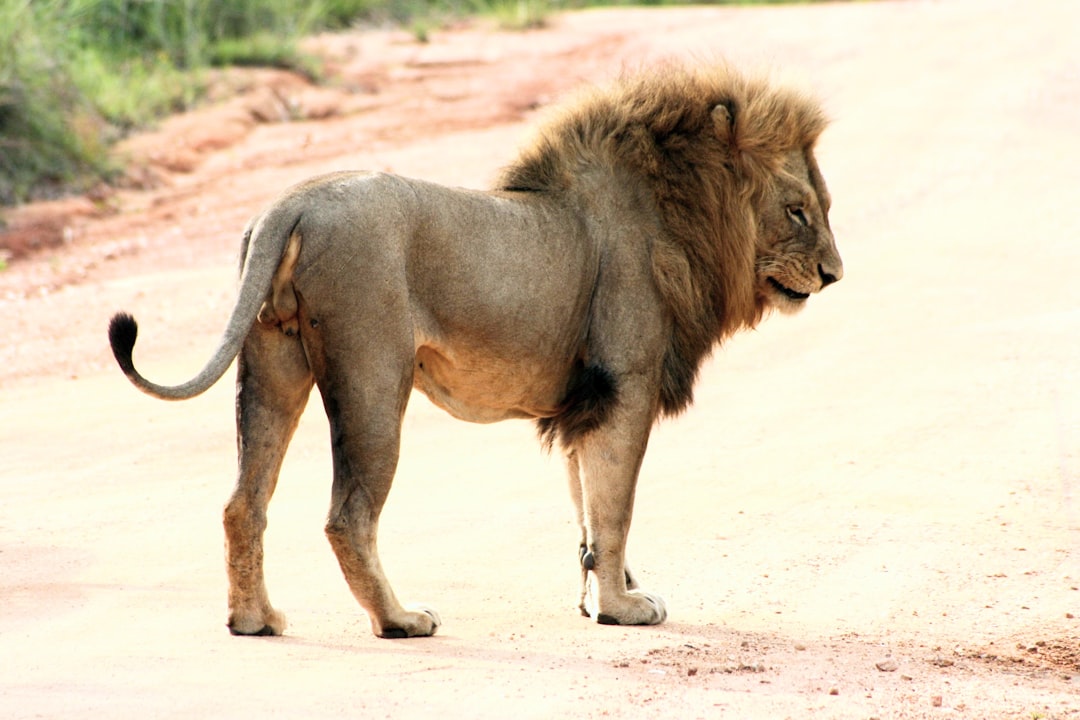
Few journeys deliver contrast and coherence as beautifully as Tanzania safaris combined with a climb up Kilimanjaro. In a single trip, you can move from the vast silence of the savannah to the high, cold drama of Africa’s tallest mountain, then finish beside the Indian Ocean with enough time to absorb what you have seen. It is an experience that feels large in every sense, but the secret to enjoying it is not trying to do everything at once. The best itineraries balance ambition with pace, giving each part of Tanzania room to reveal its character.
Why Tanzania safaris and Kilimanjaro work so well together
Tanzania is one of the rare destinations where wildlife, mountain trekking, and coastal relaxation can be combined without the trip feeling disjointed. The northern circuit makes this especially practical. Arusha serves as a natural gateway to both safari parks and Kilimanjaro departures, which means travelers can build a route that feels connected rather than patched together.
The appeal is not only logistical. A safari sharpens your sense of landscape: the scale of the Serengeti, the drama of Ngorongoro Crater, the baobab-dotted beauty of Tarangire. Kilimanjaro then changes your relationship to the land again, asking you to experience altitude, effort, and silence in a far more intimate way. By the time you reach Zanzibar, the trip has earned its calm. The combination is compelling because each stage deepens the next.
It is also a journey that can be shaped around different travel styles. Some travelers want classic game drives and a steady climb on a popular route. Others prefer fly-in movement between camps, more privacy, or a longer beach finish after the mountain. That flexibility is one reason Tanzania continues to stand apart.
Planning the right order and pace
The most successful trips start with honest planning. The temptation is to stack parks, route options, and beach time into one ambitious itinerary, but a better approach is to decide what matters most: wildlife density, summit success, comfort level, or recovery time. Once that priority is clear, the structure of the trip becomes much easier to build.
For many travelers, climbing before the safari makes sense. Kilimanjaro demands energy, focus, and physical freshness. After the mountain, safari days feel restorative without being passive, especially when you are still moving through extraordinary landscapes. Others prefer to begin with game viewing to ease into Tanzania before a more demanding finish. Both approaches work, but pace matters more than sequence.
For travelers comparing routes, park combinations, and beach add-ons, Safari Roam provides a helpful reference point for planning Tanzania safaris that can be sensibly paired with Kilimanjaro and Zanzibar rather than treated as separate holidays.
| Trip Length | What It Allows | Best For |
|---|---|---|
| 10 days | A shorter climb or focused safari plus limited recovery time | Travelers with tight schedules |
| 12 to 14 days | A well-paced Kilimanjaro climb, key northern parks, and a brief Zanzibar stay | Most first-time visitors |
| 15 days or more | Better acclimatization, deeper safari time, and a more relaxed beach finale | Travelers seeking a fuller experience |
A strong planning framework usually includes:
- Enough days on the mountain to support acclimatization rather than rushing the ascent.
- A focused safari circuit instead of trying to cover too many parks.
- At least a short pause in Zanzibar to recover physically and process the journey.
Choosing the safari style that fits your trip
Not all safaris create the same rhythm, and when Kilimanjaro is part of the wider journey, that rhythm matters. A private overland safari offers flexibility and strong value, especially for travelers who want to shape each day around wildlife viewing, photography, or family needs. A fly-in safari reduces long drives and gives the trip a more seamless, premium feel, which can be especially appealing after a demanding climb.
The northern parks remain the most natural pairing with Kilimanjaro. Tarangire offers a striking opening with elephants, baobabs, and a quieter atmosphere in the right season. Ngorongoro Crater delivers concentrated drama in a single caldera, while the Serengeti brings the sense of scale many travelers imagine when they think of East African wildlife. If time is short, a carefully chosen two-park safari can feel more satisfying than a rushed sweep through everything.
- Choose Tarangire if you want a strong start with beautiful scenery and a slightly gentler pace.
- Choose Ngorongoro if you value dramatic landscapes and rewarding game viewing in a compact area.
- Choose Serengeti if your priority is iconic plains, classic safari atmosphere, and a deeper sense of immersion.
Accommodation also shapes the experience more than many travelers expect. After summit nights and mountain camps, even a modest but well-run safari lodge can feel luxurious. The key is consistency: good guiding, smart routing, comfortable beds, and enough downtime between game drives. The most memorable Tanzania safaris are not necessarily the most elaborate; they are the ones with a clear sense of place and pace.
Climbing Kilimanjaro with realistic expectations
Kilimanjaro attracts many first-time high-altitude trekkers because it does not require technical climbing, but that should never be confused with ease. The challenge is altitude, endurance, and patience. Success depends less on speed than on choosing an appropriate route, allowing enough days, and arriving prepared for long hours of steady walking.
Route choice deserves careful thought. Longer itineraries generally allow better acclimatization and a more enjoyable overall experience. Travelers often fixate on summit night, but the quality of the climb is shaped by the days before it: how gradually you ascend, how well you rest, and how honestly you listen to your body. Good preparation also includes footwear you trust, layered clothing, and a willingness to walk slowly even when you feel strong.
It helps to think about Kilimanjaro in practical rather than dramatic terms. You do not need to be an elite athlete, but you do need consistency. Long walks, hill training, and comfort carrying a daypack are more useful than a burst of last-minute fitness. Mental approach matters too. A calm, disciplined trekker often does better than someone who arrives obsessed with proving something.
Before departure, keep this checklist simple and serious:
- Train for sustained walking, not just intensity.
- Prioritize sleep and hydration in the weeks before travel.
- Pack for temperature extremes, from warm afternoons to freezing summit conditions.
- Respect acclimatization and never treat altitude symptoms casually.
Seen this way, the climb becomes more than a challenge. It becomes the emotional spine of the trip, the part that asks the most and often gives the most in return.
Finishing in Zanzibar and making the journey feel complete
Zanzibar is more than a beach add-on. After early game drives and summit effort, it provides the contrast that turns a strong holiday into a complete one. A few unstructured days by the sea allow the body to recover and the mind to catch up. Stone Town adds history and atmosphere, while the coast offers everything from quiet stretches of sand to more active beach stays.
The key is not to over-program the final stage. After a mountain and safari combination, travelers usually need less activity, not more. A well-chosen hotel, good food, and time in the water are often enough. If you want more, sailing trips, reef snorkeling, and spice farm visits can be worthwhile, but the real luxury is the change in tempo.
What makes this combination special is the way it layers experience without losing coherence. You witness wildlife in open country, test yourself on a great mountain, and then end beside a warm sea. Each stage answers a different travel instinct: wonder, effort, reflection. That is why Tanzania safaris and climbing Kilimanjaro continue to stand out as one of the most satisfying journeys in Africa.
Done well, it never feels like three separate holidays stitched together. It feels like one complete arc, from the plains to the summit to the shore. For travelers seeking depth rather than just variety, Tanzania safaris paired with Kilimanjaro and Zanzibar remain one of the most rewarding ways to experience the country.
——————-
Article posted by:
Safari Roam Tours | Tanzania Safari & Kilimanjaro Climbing Tours
https://www.safariroam.com/
+255752040838
Tanzania, United Republic of Tanzania
Safari Roam Tours | Tanzania Safari & Kilimanjaro Climbing Tours
Embark on a thrilling journey through the heart of Tanzania with safariroam.com. From towering mountains to stunning wildlife, get ready for an unforgettable adventure unlike any other. Book your trip now and discover the true beauty of Tanzania.
