
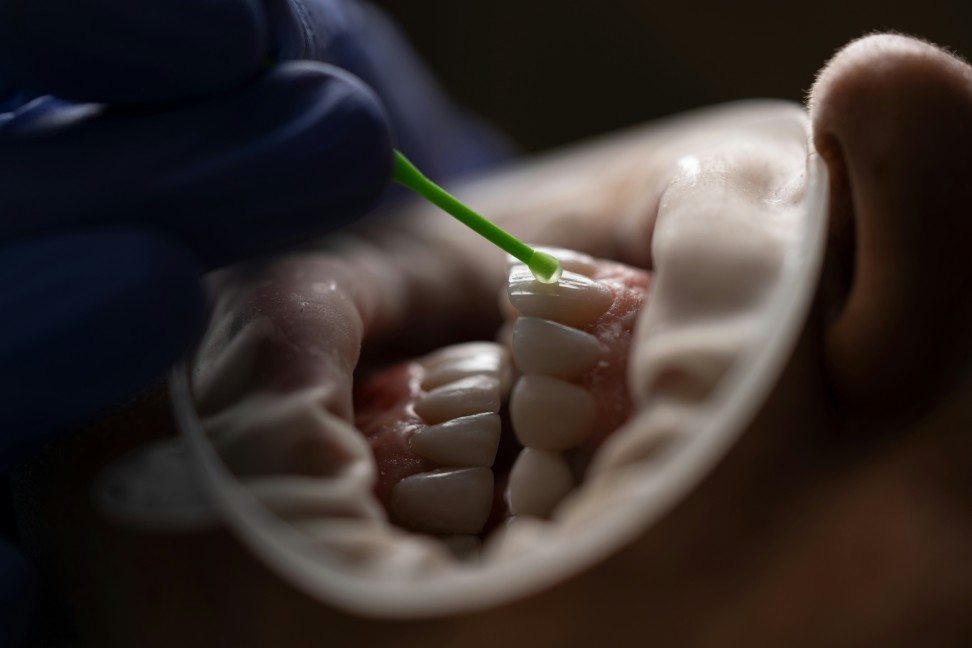
Children’s dental care shapes far more than a bright smile. It influences comfort, confidence, speech development, eating habits, and the routines that often carry into adulthood. For parents, the challenge is not simply scheduling checkups, but understanding what care is appropriate at each stage, how to build trust around dental visits, and how to respond when problems arise. That is why many families looking into Hidden Lake Dental want a clear, practical picture of what thoughtful dental care for children should actually include.
Why early dental care matters
Good pediatric dental care begins earlier than many parents expect. Baby teeth may be temporary, but they play an essential role in guiding chewing, speech, and the spacing of permanent teeth. When primary teeth are neglected, children may experience pain, difficulty eating, sleep disruption, and avoidable anxiety about dental treatment. Early care is not about overmedicalizing childhood; it is about preventing small issues from becoming stressful ones.
Routine visits also give parents a chance to ask the questions that do not always have obvious answers at home. Is thumb-sucking still within a normal range? Is a child brushing effectively, or simply going through the motions? Are crowding or bite concerns beginning to show? A dentist who regularly works with families can monitor these patterns over time and offer age-appropriate guidance before a concern becomes urgent.
Just as importantly, early visits help normalize the dental office. When a child’s first experience is calm, preventive, and low-pressure, future appointments tend to feel much less intimidating. That foundation can make a lasting difference in how a child approaches oral health through the school years and beyond.
What families should expect from Hidden Lake Dental
A strong family dental practice understands that children are not simply smaller adult patients. They need communication that feels reassuring, an environment that respects their developmental stage, and treatment recommendations that are clear to parents. At Hidden Lake Dental Associates in North Brunswick, family care works best when appointments are structured around education as much as treatment, helping children understand what is happening while giving parents a realistic plan for home care and follow-up.
For families exploring options for ongoing preventive care, Hidden Lake Dental can be a natural point of reference because a family-centered setting often makes it easier to coordinate care across ages while keeping children in a familiar environment.
Parents should expect a child-focused appointment to include more than a quick cleaning. A meaningful visit may involve a review of brushing and flossing technique, an assessment of growth and tooth eruption, a discussion about diet and cavity risk, and recommendations tailored to the child’s age and habits. Good dental care is rarely one-size-fits-all. A preschooler who resists brushing, a school-age child with deep grooves in molars, and a preteen beginning orthodontic evaluation all need slightly different support.
Clear communication matters too. Parents deserve straightforward explanations of what is necessary now, what can be monitored, and what habits at home will make the biggest difference. That kind of clarity builds confidence and helps families make sensible decisions without feeling rushed or overwhelmed.
Key stages in children’s dental development
One of the most useful ways to think about pediatric dental care is by stage rather than by isolated appointments. Children’s needs change quickly, and knowing what typically matters at each age helps parents stay proactive.
| Age or Stage | What to Focus On | Why It Matters |
|---|---|---|
| Infant to toddler | First tooth care, gentle brushing, early dental evaluation | Establishes healthy routines and checks early development |
| Preschool years | Daily brushing, cavity prevention, limiting sugary drinks | Primary teeth are vulnerable to decay during this stage |
| Early school years | Independent brushing with supervision, cleanings, sealant discussions | Children gain responsibility but still need guidance |
| Preteen years | Flossing consistency, bite monitoring, sports mouthguard needs | Permanent teeth are in place and long-term habits become more fixed |
Parents are often surprised by how quickly responsibility shifts. A child may want to brush independently long before they have the dexterity to do it thoroughly. In most households, the best approach is gradual independence with active supervision. That means letting children participate while parents still check, finish, or closely monitor the routine until brushing is truly effective.
It is also helpful to remember that cavity risk is influenced by patterns, not just occasional treats. Frequent snacking, juice throughout the day, and falling asleep without brushing can be more harmful than families realize. A dentist who sees children regularly can identify these patterns early and suggest practical adjustments rather than unrealistic rules.
Building healthy dental habits at home
The most successful dental visits are supported by steady routines at home. Children benefit when oral care feels predictable rather than negotiable. A calm, consistent structure usually works better than long lectures about sugar or repeated reminders given in frustration.
Parents can strengthen home care by focusing on a few fundamentals:
- Brush twice a day with an age-appropriate toothbrush and fluoride toothpaste, using the correct amount for the child’s age.
- Supervise technique rather than assuming time spent at the sink equals effective cleaning.
- Introduce flossing once teeth begin touching, especially in tighter areas where a brush cannot reach.
- Keep sugary foods and drinks occasional instead of frequent, grazing-style habits throughout the day.
- Use water between meals as a simple way to support oral comfort and rinse away residue.
Children also respond well to preparation and positive framing. Instead of presenting dental care as a battle or a punishment, parents can describe it as a normal part of staying strong and comfortable. The language matters. If adults speak about the dentist with dread, children often absorb that emotional cue immediately.
For some families, visual reminders and routine cues help. Brushing after breakfast and before bed, keeping supplies within easy reach, or using a simple checklist can reduce resistance and turn oral care into habit rather than argument.
- Choose fixed brushing times every day.
- Keep toothpaste, floss, and toothbrushes visible and easy to use.
- Help younger children brush thoroughly, especially at night.
- Replace toothbrushes regularly or sooner if bristles fray.
- Schedule preventive visits before a problem appears.
Common preventive and restorative care children may need
Even with excellent home care, children still benefit from preventive services delivered in the dental office. Professional cleanings remove buildup that daily brushing can miss, and regular exams help identify concerns before they become painful or costly. Fluoride support may be recommended for children who need extra protection, and dental sealants can be valuable for molars with deep grooves that tend to trap food and bacteria.
When treatment is needed, timing matters. Small cavities in children can progress quickly, and waiting until discomfort appears may mean a more complicated visit. Addressing issues early is usually easier for both the child and the parent. The goal is not aggressive intervention, but sensible action that preserves comfort and function.
Parents should also watch for signs that deserve prompt attention between routine visits. These can include visible dark spots, ongoing sensitivity, complaints of pain while eating, swollen gums, or damage from a fall or sports injury. Children do not always describe discomfort clearly, so behavioral changes such as avoiding certain foods or chewing on one side can be useful clues.
In active families, protective care matters as much as treatment. If a child plays contact or fast-moving sports, asking about a properly fitted mouthguard is a practical step that can prevent significant injury. Preventive thinking is often the most valuable part of family dentistry because it reduces the chance that oral health becomes a source of disruption later.
Creating positive dental experiences that last
One of the most overlooked parts of children’s dental care is emotional memory. A child who feels respected, prepared, and safe is more likely to return to the chair calmly next time. That experience begins before the appointment. Parents can help by explaining the visit simply, avoiding dramatic language, and arriving with enough time so the child does not walk in already stressed.
During appointments, children generally do best when adults stay composed and let the dental team guide the interaction. Reassurance is helpful, but overexplaining or projecting anxiety can make a routine visit feel bigger than it is. Afterward, keep the tone matter-of-fact and encouraging. The goal is to make dental care feel normal, manageable, and worth maintaining.
Hidden Lake Dental is ultimately most useful to families when it becomes part of a broader pattern: steady checkups, practical home care, and age-appropriate support as children grow. That combination protects more than teeth. It helps children develop trust in healthcare, confidence in daily self-care, and a healthier relationship with dental visits for years to come. For parents seeking thoughtful family dentistry in North Brunswick, that kind of consistency is what turns routine care into lasting value.
To learn more, visit us on:
Hidden Lake Dental Associates | hidden lake dental | 4-02 Towne Center Drive, North Brunswick Township, NJ, USA
https://www.hiddenlakedental.org/
732-821-5500
Towne Center Drive 4-02
At Hidden Lake Dental Associates, we provide skilled and compassionate care to help patients of all ages enjoy healthy, beautiful smiles for more than 40 years.
Uncover the secret to a brighter, healthier smile at Hidden Lake Dental. Explore our website to discover the hidden gems of dental care and transform your oral health today.
