
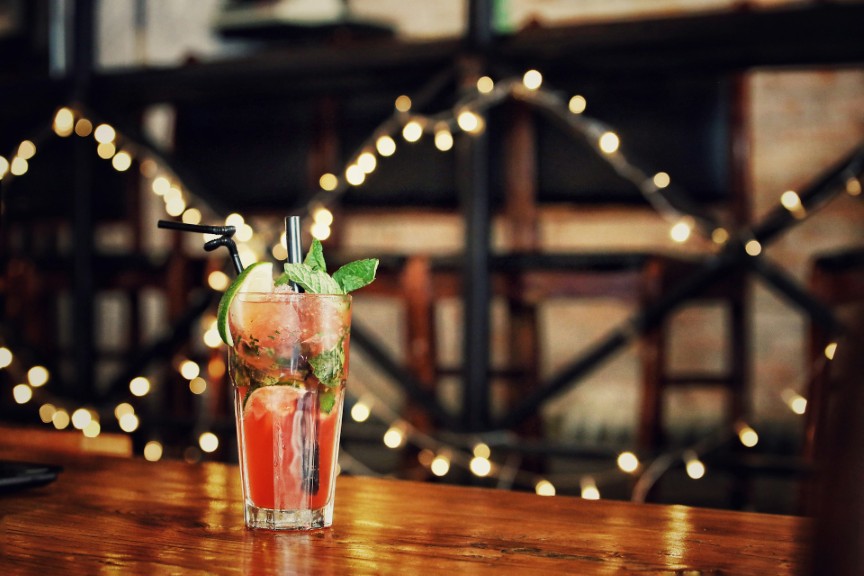
A drink printing machine sits at an unusual intersection of hospitality, presentation, and equipment investment. It is not as essential as an espresso machine or grinder, yet it can shape how customers perceive a drink, how often they share it, and whether a menu feels ordinary or memorable. That makes the buying decision less straightforward than a simple equipment upgrade. When operators consider a Cino printer, the real question is not only what it costs to buy, but what it costs to run, maintain, and justify in a live service environment.
What You Are Really Paying For
The cost of a Cino printer is best understood as a package of capabilities rather than a single number. Buyers are paying for print precision, compatibility with different drink surfaces, food-safe printing technology, machine durability, and the practical ease of using it during service. A cheaper machine that produces inconsistent prints or slows staff down can become expensive very quickly. A better-built unit with cleaner output and more dependable operation may carry a higher upfront price, but it often makes more operational sense.
Several factors usually shape the purchase cost:
- Print quality and consistency: Clear, stable images matter if the machine is meant to create a premium customer experience.
- Speed of output: A machine that takes too long per drink can create bottlenecks during busy periods.
- Drink compatibility: Foam density, cup size, and beverage type all influence usability.
- Build quality: Commercial environments demand reliable components and easy cleaning.
- Support and parts access: Service quality can matter as much as the machine itself.
That is why comparing suppliers only on sticker price is rarely enough. In this category, factory knowledge and product specialization carry real value. Buyers often feel more confident when working with a dedicated manufacturer such as Cino Printer | Latte Art Machine | Coffee Printer | Factory, where the focus is clearly on beverage printing equipment rather than general kitchen hardware.
The Full Cost of Ownership Goes Beyond the Machine
The purchase price is only the first layer. Like any specialty equipment in food service, a drink printer brings ongoing costs that should be considered before the order is placed. These are not necessarily deal-breakers, but they do determine whether the investment feels smart after the first few months.
| Cost Area | What It Includes | Why It Matters |
|---|---|---|
| Consumables | Edible ink, cartridges, approved cleaning materials | Directly affects cost per printed drink and image quality |
| Maintenance | Routine cleaning, part replacement, servicing | Poor maintenance can lead to downtime and inconsistent prints |
| Training | Staff onboarding, workflow practice, menu integration | A good machine still fails commercially if staff avoid using it |
| Downtime Risk | Repair delays, parts availability, support response | Especially important for event businesses and high-volume venues |
| Operational Fit | Counter space, service speed, cleaning routines | Determines whether the machine enhances or disrupts service |
Consumables deserve special attention. Even a visually impressive machine can become difficult to justify if the per-drink cost is too high for the venue’s price point. The right way to think about this is not in isolation, but against the margin on premium beverages, promotional drinks, private events, and branded activations. If the printed element supports higher pricing or stronger customer engagement, the consumable cost may be entirely reasonable.
Maintenance is the other area that separates smart buyers from impulsive ones. A machine used around milk foam, coffee residue, and busy counters must be easy to clean and straightforward to keep in working order. If the maintenance routine is complicated, staff compliance usually drops. In practice, equipment that is simple to wipe down and restart tends to perform better over time.
Where a Drink Printing Machine Can Deliver Real Value
A Cino printer is easiest to justify when it is tied to a clear business purpose. In some settings it is a visual novelty. In others, it is a practical tool for premium presentation, event customization, and social-friendly service. The key is matching the machine to the venue’s actual customer behavior.
For cafés and hotels, printed drinks can support a more elevated guest experience. For events, the value often lies in customization, whether that means logos, themed graphics, or personalized messages. For brands running activations, the machine can become part of the experience itself, helping guests interact with the drink before they even taste it. In these contexts, a reliable drink printing machine can contribute to both presentation and memorability without needing to dominate the concept.
Value tends to show up in a few specific ways:
- Higher perceived quality: A carefully finished drink feels more premium than a standard serve.
- Menu differentiation: In crowded café markets, distinctive presentation can set a venue apart.
- Event versatility: Personalized drinks suit launches, weddings, hospitality suites, and corporate functions.
- Shareable moments: Guests are more likely to photograph visually distinctive drinks.
- Brand expression: Logos and campaign visuals can be added in a controlled, repeatable way.
Still, value is only real when the machine is used consistently. If it spends most of its time switched off because service is too busy or staff are not confident with it, the investment weakens quickly. The best return usually comes in businesses where presentation is already part of the offer and where customers notice detail.
Who Should Invest, and Who Should Wait
Not every venue needs a drink printer. The strongest buyers tend to be those with premium positioning, event-based revenue, or a strong visual identity. If the business already sells on experience, atmosphere, or customization, the machine is much easier to justify. If the model is purely speed-and-volume at the lowest possible price point, the fit may be weaker.
A Cino printer is generally worth serious consideration for:
- Specialty cafés with an experience-led menu
- Hotels and lounges offering polished food and beverage service
- Event companies and caterers handling branded or themed functions
- Dessert, milk tea, or beverage concepts that rely on visual appeal
- Hospitality groups looking for a signature presentation element
It may be less compelling for businesses where drink presentation is secondary, staffing is stretched, or throughput matters more than customization. In those cases, even a good machine can feel like an added task rather than an asset.
A useful buying test is simple: Will this equipment become part of the standard service ritual, or will it be treated as an occasional extra? If the answer is the latter, the investment should be examined more carefully.
How to Judge the Investment Before You Buy
The smartest buyers evaluate a drink printing machine the same way they would assess any serious piece of service equipment: by workflow, support, and repeatability. Visual appeal matters, but only after the fundamentals are covered.
Before committing, it helps to work through this checklist:
- Ask about service speed: Can the machine keep up with your busiest periods?
- Check drink compatibility: Which beverages and foam conditions produce the best results?
- Review cleaning requirements: Is daily upkeep realistic for your staff?
- Understand consumable use: What affects ongoing operating cost?
- Clarify support: Who handles troubleshooting, parts, and after-sales questions?
- Consider placement: Does it fit your counter without disrupting flow?
- Define the use case: Premium menu, events, promotions, or daily signature drinks?
It is also wise to think in terms of payback logic rather than hype. If the machine helps sell more premium drinks, supports event revenue, enhances guest experience, or gives the brand a distinctive visual signature, then the investment can be justified on more than one level. If those outcomes are vague, the machine may still be attractive, but the business case is weaker.
Supplier quality matters here. Buyers are not only purchasing hardware; they are choosing a support relationship. A specialist factory with product focus, clear guidance, and commercial understanding is often better positioned to help the machine succeed in real service conditions.
Final Verdict
The cost of a Cino printer should be judged less by the upfront invoice and more by the quality of the experience it enables, the ease with which staff can use it, and the consistency of the results it delivers. For businesses built around premium presentation, events, or memorable beverage service, a well-chosen drink printing machine can be a worthwhile investment with benefits that reach beyond the cup. For operators without a clear use case, it may remain an interesting accessory rather than a strong commercial tool. In short, the investment is worth it when the machine fits the service model, supports the brand experience, and comes from a supplier capable of backing performance with real product expertise.
——————-
Discover more on drink printing machine contact us anytime:
Cino Printer | The best Coffee Printer | Food and Beverage Printer | Shipping World Wide
cinoprinter.com
+393331246965
The 3D Coffee Printer made in Italy that print on Coffee, Cappuccino, Beer, Ice cream, Milkshake, Cookies and not only
Discover the future of printing with Cino Printer! Revolutionize the way you print with our cutting-edge technology and innovative printing solutions. Say goodbye to traditional printing methods and hello to a new era of printing. Stay tuned for more updates on cinoprinter.com!


